Course description

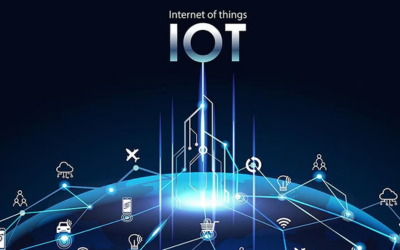
The Internet of Things (IoT) represents a transformative paradigm in the realm of technology, poised to reshape the way we live, work, and interact with our surroundings. At its core, IoT is a network of interconnected physical devices, vehicles, appliances, and other objects embedded with sensors, software, and connectivity capabilities, enabling them to collect and exchange data. The profound impact of IoT lies in its ability to bridge the physical and digital worlds, creating an ecosystem where devices communicate seamlessly to provide valuable insights, automate processes, and enhance overall efficiency.

In the IoT ecosystem, devices ranging from everyday household items like refrigerators and thermostats to industrial machinery and smart city infrastructure are equipped with sensors that gather data. This data is then transmitted through networks, often the internet, to centralized systems where it can be processed, analyzed, and utilized for various purposes. The result is a web of interconnected devices, forming an intelligent network that can adapt, respond, and optimize based on the information it receives.

What will i learn?

  • Completing an IoT course equips individuals with the skills and knowledge needed to contribute to the development, implementation, and management of IoT solutions, making them valuable assets in the evolving landscape of connected technologies.

Requirements

  • Internet connection required for software activation, validation of subscriptions, and access to online services.

Frequently asked question

The Internet of Things refers to a network of interconnected physical devices, vehicles, appliances, and other objects embedded with sensors, software, and connectivity capabilities, enabling them to collect and exchange data.

IoT devices are equipped with sensors that gather data, which is then transmitted through networks (often the internet) to centralized systems. This data is processed and analyzed to provide insights, automate processes, and optimize functionalities.

IoT has diverse applications, such as smart homes (automated lighting, security systems), healthcare (remote patient monitoring), industrial IoT (predictive maintenance, smart manufacturing), and smart cities (traffic management, waste optimization).

Security is a crucial aspect of IoT. Measures include implementing strong encryption, ensuring device authentication, regularly updating firmware, and establishing robust network security protocols to protect against cyber threats.

Nice TC

Free

Lectures

0

Skill level

Beginner

Expiry period

1 Months

Related courses